

Macros For Fat Loss: The Ultimate Scientific Guide
Macros For Fat Loss: The Ultimate Scientific Guide For 2025
What Are Macros and Why Do They Matter for Fat Loss?
When we talk about fat loss, calories are king. To lose weight, you must consume fewer calories than your body burns, a state known as a calorie deficit. However, not all calories are created equal. This is where macronutrients—or "macros"—come into play. Macros are the three primary nutrients your body needs in large amounts: protein, carbohydrates, and fats. Each one plays a unique and critical role in your body's function and, importantly, your body composition.
While a calorie deficit dictates whether you lose weight, your macro split determines the *quality* of that weight loss. A diet focused solely on cutting calories without considering macros can lead to muscle loss, low energy, and intense hunger. By optimizing your macros for fat loss, you can ensure you're primarily losing body fat, preserving precious muscle mass, feeling full and satisfied, and maintaining the energy needed to power through your workouts and your day.
Protein: The Cornerstone of Your Fat Loss Diet
If there is one macro to prioritize for fat loss, it's protein. Protein is the most satiating macronutrient, meaning it helps you feel fuller for longer, which makes sticking to a calorie deficit significantly easier. Think of it as your best defense against hunger pangs and mindless snacking. Furthermore, protein has the highest Thermic Effect of Food (TEF), meaning your body burns more calories digesting and processing it compared to carbs and fats.
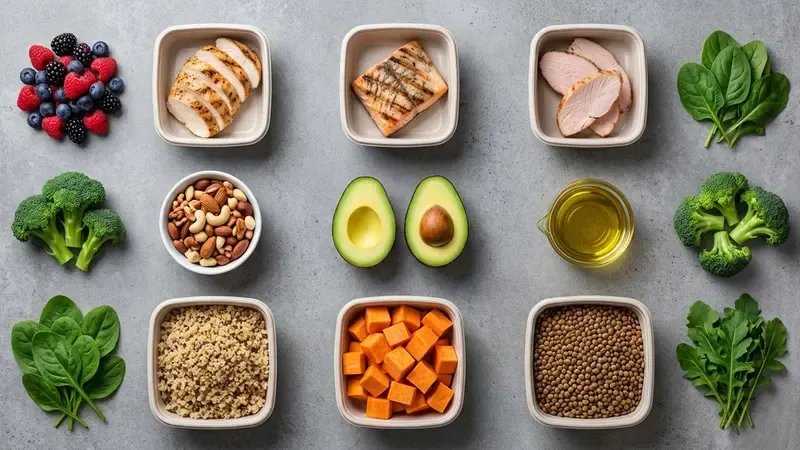
Most importantly, adequate protein intake is crucial for muscle preservation. When you're in a calorie deficit, your body can break down muscle tissue for energy. A high-protein diet signals your body to preserve muscle and burn fat instead. For active individuals looking to lose fat, a common and effective recommendation is to consume between 1.6 to 2.2 grams of protein per kilogram of body weight (or about 0.7 to 1.0 grams per pound). Excellent sources include lean meats, poultry, fish, eggs, Greek yogurt, cottage cheese, and quality protein powders.
Carbohydrates: Your Body's Preferred Fuel Source
Carbohydrates have been unfairly demonized in many diet circles, but they are an essential tool for an effective fat loss phase. Carbs are your body's primary and most efficient source of energy. Consuming enough carbohydrates ensures you have the fuel to perform intense workouts, which are critical for burning calories and stimulating muscle growth and retention.
Cutting carbs too drastically can lead to lethargy, poor workout performance, and brain fog. The key is to choose the right types and amounts. Focus on complex carbohydrates from whole-food sources like oats, brown rice, quinoa, potatoes, and vegetables. These digest slowly, providing sustained energy and valuable fiber, which aids in digestion and satiety. Timing your carbohydrate intake around your workouts can also be a powerful strategy to maximize performance and recovery.
Dietary Fats: Essential for Hormones and Overall Health
Just like carbs, dietary fats are not the enemy. In fact, they are absolutely essential for your body to function correctly, especially during a fat loss phase. Fats play a vital role in producing and regulating hormones, including those that control metabolism and appetite. Drastically cutting your fat intake can disrupt hormone balance, leading to a stalled metabolism and other health issues.
Fats are also necessary for absorbing fat-soluble vitamins (A, D, E, and K) and contribute to feelings of fullness. The goal is to prioritize healthy, unsaturated fats while limiting trans fats and moderating saturated fats. Incorporate sources like avocados, nuts, seeds, olive oil, and fatty fish (like salmon) into your diet. A good rule of thumb is to allocate about 20-30% of your total daily calories to healthy fats to support hormonal health and well-being.
How to Calculate Your Personal Macros for Fat Loss
Calculating your macros doesn't have to be complicated. It's a simple, four-step process that tailors your nutrition to your unique body and goals. While the process is straightforward, using a reliable tool can eliminate guesswork and ensure accuracy.
First, you need to determine your Total Daily Energy Expenditure (TDEE), which is the number of calories you burn per day. Second, create a sustainable calorie deficit, typically 15-25% below your TDEE. For example, if your TDEE is 2,500 calories, a 20% deficit would set your target at 2,000 calories per day.
Third, set your protein target using the guidelines mentioned earlier (1.6-2.2g per kg of body weight). Fourth, set your fat intake to 20-30% of your total calories. Finally, allocate the remaining calories to carbohydrates. To make this entire process effortless, we highly recommend using the MealPrepTools.com Macro Calculator. Simply enter your details at /calculators/macro, and it will provide you with a precise, personalized macro and calorie target for your fat loss journey.
Tracking and Adjusting for Consistent Progress
Once you have your target numbers, the key to success is consistency. Tracking your food intake using a food scale and a nutrition app is the most effective way to ensure you're hitting your macro goals. While it may seem tedious at first, it quickly becomes a habit and provides invaluable data about your eating patterns.
Remember that your initial macro calculation is a starting point, not a permanent rule. Your body will adapt as you lose weight, and your caloric needs will change. It's important to monitor your progress by tracking your weight, taking measurements, and assessing how you feel. Plan to re-evaluate and adjust your macros every 3-4 weeks or after every 10 pounds of weight loss to prevent plateaus and keep making steady progress towards your goal.
Meal Prep: The Secret to Hitting Your Macros
Knowing your macros is one thing; consistently hitting them day after day is another. This is where meal prepping becomes your greatest ally. By planning and preparing your meals in advance, you remove the guesswork and decision fatigue from your daily eating. You have perfectly portioned, macro-friendly meals ready to go, making it easy to stay on track even on your busiest days.
To streamline this process, you can use a digital tool to plan your week's meals based on your macro targets. This ensures every meal fits perfectly into your plan. The MealPrepTools.com suite is designed for this exact purpose, helping you create a meal plan and even generating a grocery list to make your shopping trip efficient. Effective meal prep is the bridge between knowing your macros and achieving your fat loss results.
Key Takeaways
- A calorie deficit is required for weight loss, but optimizing your macros is key to ensuring you lose fat while preserving muscle.
- Prioritize a high protein intake (1.6-2.2g per kg of body weight) to boost satiety and protect muscle mass.
- Use an online tool like the MealPrepTools.com Macro Calculator to get a personalized and accurate starting point for your goals.
- Don't fear carbs and fats; they are essential for energy, hormone function, and overall health.
- Consistently track your food intake and be prepared to adjust your macros every few weeks to avoid plateaus.
- Meal prepping is the most practical and effective strategy for consistently hitting your daily macro targets.
- Focus on nutrient-dense, whole foods to build a healthy and sustainable diet that supports your fat loss journey.

