

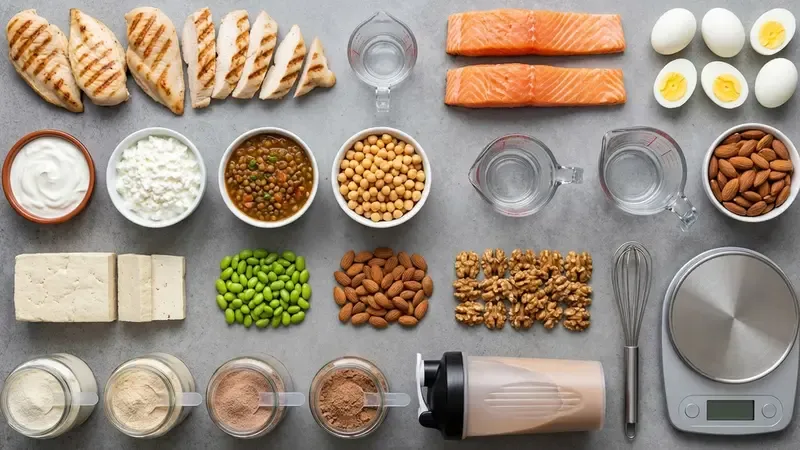
How To Hit Your Protein Target Daily: A Practical Guide
How To Hit Your Protein Target Daily: A Practical Guide For 2025
Why Hitting Your Protein Target Is a Game-Changer
Before diving into the 'how,' it's crucial to understand the 'why.' Protein isn't just for bodybuilders; it's the fundamental building block for your entire body. Every cell, from your muscles and bones to your skin and hair, contains protein. Hitting your daily protein target is essential for repairing muscle tissue after exercise, which is how you get stronger and more toned.
Beyond muscle, protein plays a massive role in satiety—the feeling of fullness. Compared to carbohydrates and fats, protein keeps you feeling full for longer, which can significantly reduce cravings and overall calorie intake. This makes it a powerful ally for weight management and fat loss. Furthermore, protein has a higher Thermic Effect of Food (TEF), meaning your body burns more calories just digesting it compared to other macronutrients. Consistently meeting your protein needs supports a healthy metabolism, aids in recovery, and is a cornerstone of any successful health and fitness journey.
First, Determine Your Exact Protein Target
You can't hit a target you can't see. The first and most critical step is to calculate your personalized daily protein requirement. Vague goals like "eat more protein" are not effective. You need a specific number in grams to aim for each day. This number depends on several factors, including your age, weight, activity level, and primary fitness goal (e.g., fat loss, muscle gain, or maintenance).
A general guideline is 0.8 grams of protein per kilogram of body weight for a sedentary person, but for active individuals, this number can increase to 1.6-2.2 grams per kilogram (or about 0.7-1.0 grams per pound) of body weight. The easiest way to get an accurate, personalized recommendation is to use a dedicated tool. The MealPrepTools.com Macro Calculator can help you determine your overall daily calorie and macro needs based on your specific data.
Once you know your total macros, you can fine-tune your protein intake. For example, you might decide to follow a 40% protein, 30% carb, and 30% fat split. To translate those percentages into specific grams for each meal, the MealPrepTools.com Macro Splitter at /calculators/macro-splitter is the perfect next step. It breaks down your daily targets into per-meal goals, making the whole process feel manageable and taking the guesswork out of planning.
Front-Load Your Day with a Protein-Packed Breakfast
One of the most common mistakes people make is saving the bulk of their protein for dinner. This often leads to a frantic scramble at the end of the day, trying to consume a massive amount of protein in one sitting, which can be difficult and less than optimal for muscle protein synthesis. A far more effective strategy is to front-load your day by starting with a high-protein breakfast.
Aim for at least 25-40 grams of protein in your first meal. This not only sets you up for success but also helps regulate your appetite and energy levels throughout the day. Instead of a carb-heavy pastry or cereal, opt for choices that prioritize protein.
Here are some simple, high-protein breakfast ideas:
- Greek Yogurt Bowl: A cup of plain Greek yogurt topped with berries and a handful of nuts or seeds.
- Scrambled Eggs or Omelet: Three to four eggs with veggies and a side of turkey sausage.
- Protein Smoothie: A scoop of protein powder blended with spinach, a banana, and almond milk.
- Protein Oats: Oatmeal cooked with a scoop of protein powder stirred in, topped with peanut butter.
Build Every Meal Around a Protein Source
Shift your meal-building mindset. Instead of asking, "What carb do I want for dinner?" start by asking, "What protein source will be the star of this meal?" By making protein the centerpiece of your plate, you naturally ensure you're getting an adequate serving. The carbohydrates and fats then become the supporting cast.
When planning your meals for the week, choose your primary protein for each lunch and dinner first. For example, your week might look like this: Monday is chicken breast, Tuesday is salmon, Wednesday is lean ground turkey, Thursday is tofu, and so on. This approach simplifies grocery shopping and meal prep significantly.
Using a tool like the MealPrepTools.com Meal Planner can help you visualize your week and ensure each meal is anchored by a quality protein source. A good target for lunch and dinner is a palm-sized portion of protein, which typically provides 25-40 grams, depending on the source.
Leverage Smart, Protein-Rich Snacks
Snack time is often where nutrition plans fall apart. It's easy to reach for chips, crackers, or other convenient, high-carb options. However, your snacks are a golden opportunity to chip away at your daily protein target. Swapping your usual snacks for protein-rich alternatives can add an extra 20-40 grams of protein to your day with minimal effort.
Meal prep your snacks just as you would your main meals to make the healthy choice the easy choice. Keep these options on hand at home, at work, or in your bag for when hunger strikes.
High-Protein Snack Ideas:
- Hard-boiled eggs
- Cottage cheese or Greek yogurt
- Beef or turkey jerky
- Roasted edamame or chickpeas
- A handful of almonds with a cheese stick
- A ready-to-drink protein shake
The Power of Meal Prep for Protein Consistency
Consistency is the key to seeing results, and meal prep is the key to consistency. When you have pre-cooked, ready-to-eat protein sources in your fridge, hitting your target becomes nearly effortless. It eliminates the guesswork and decision fatigue that can lead to poor food choices after a long day.
Dedicate a few hours one day a week to cook your proteins in bulk. You can grill a large batch of chicken breasts, cook a pound of lean ground beef, bake a tray of salmon filets, or boil a pot of lentils. Portion them out into containers so you can easily grab them to build a meal or a snack. This simple habit is the single most effective strategy for consistently meeting your protein goals.
To make this process even more efficient, use the MealPrepTools.com Grocery Generator. Once you've planned your protein-centric meals, it can automatically create a streamlined shopping list, ensuring you have everything you need for a successful week of prep.
Incorporate 'Hidden' Protein and Convenient Supplements
Beyond the obvious sources, you can boost your intake by 'sneaking' protein into your existing foods and drinks. These small additions can add up significantly throughout the day. For example, adding a scoop of unflavored collagen peptides to your morning coffee or tea can provide an extra 10-20 grams of protein without altering the taste.
Look for protein-fortified products like high-protein pasta (made from chickpeas or lentils), protein-enriched bread, or nutritional yeast, which has a cheesy flavor and can be sprinkled on popcorn, salads, or pasta. And of course, protein powder is an incredibly convenient and cost-effective tool. A simple protein shake with water or milk can provide 25-30 grams of protein in a minute, making it perfect for post-workout recovery or a quick snack on the go. While whole foods should always be your foundation, supplements are an excellent way to fill the gaps and ensure you hit your target, especially on busy days.
Key Takeaways
- First, calculate your specific daily protein goal in grams using a tool like the MealPrepTools.com Macro Calculator.
- Spread your protein intake evenly across all meals, starting with a protein-rich breakfast of at least 25-40 grams.
- Build every meal around a primary protein source like chicken, fish, tofu, or legumes.
- Use protein-packed snacks like Greek yogurt, hard-boiled eggs, or jerky to fill the gaps between meals.
- Meal prep your main protein sources in bulk each week to ensure consistency and make healthy choices easy.
- Leverage convenient options like protein powder and 'hidden' protein sources like collagen peptides to easily boost your daily total.
- Use the Macro Splitter tool to break your daily target into manageable per-meal goals.

